Trentino-Alto Adige 2026:
8 day immersion
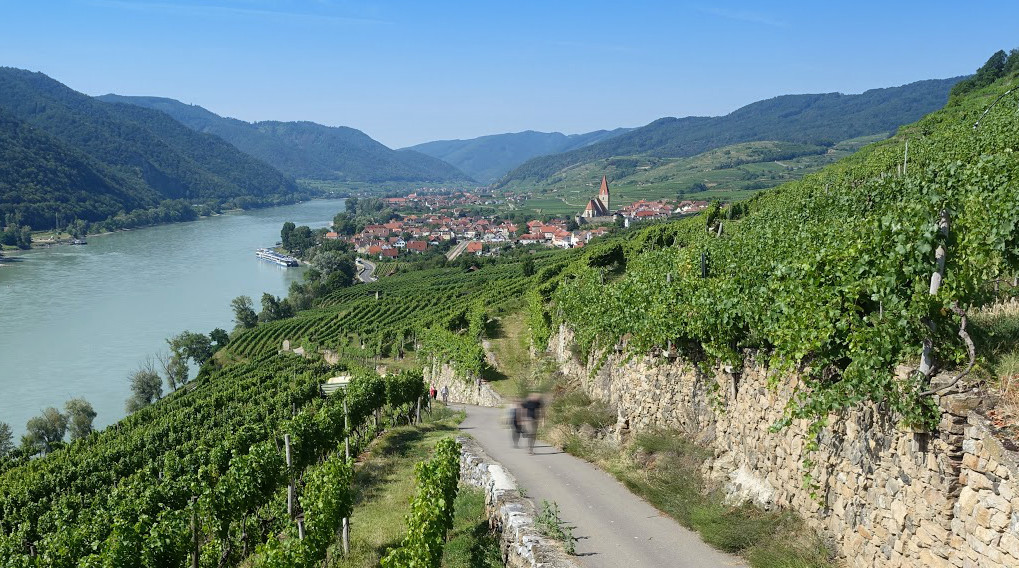
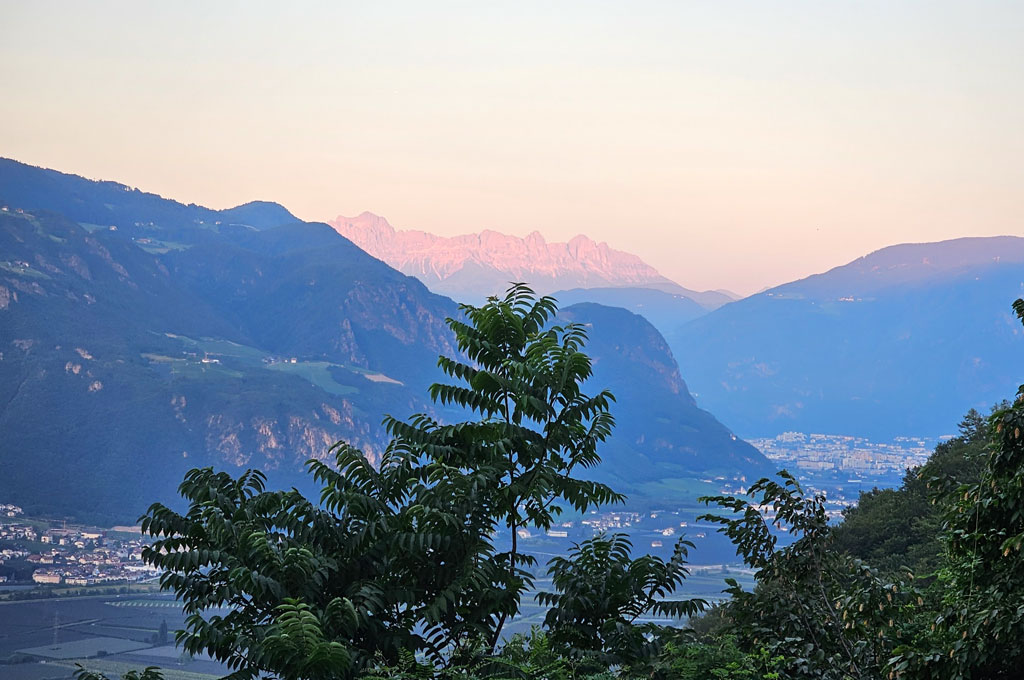
Being the northernmost wine region of Italy, Trentino -Alto Adige is a very special place where Italian and German traditions merge. Trentino-Alto Adige is a fascinating and unique region in the Alpes. It boasts of an extraordinary variety of landscapes: snow-capped mountains in the Dolomites, fertile valleys, streams, Lake Garda, century-old breathtakingly beautiful towns true to their hybrid Germanic-Italian culture. In the Middle Ages this region went through a rollercoaster of invasions and was a continuous bone of contention. Finally, in the early 16-hundreds Alto Adigo-Trentino became part of the Habsburg Empire. After WWI it came to Italy but it was only in 1946 that an official agreement was signed which gave this region extensive autonomy. Since the 1970s, most legislative and administrative powers have been transferred to the two self-governing provinces that make up the region: the province of Trento, commonly known as Trentino and the province of Bolzano, commonly known as Alto Adige or Süd-Tirol in German. Official languages are German and Italian.
During this wine tour we travel through 3 main valleys carved out by the rivers Adige (Etsch) and Isarco (Eisack). These valleys form a Y since in Bozen, the capital of the Alto Adige region, the Isarco joins the Adige. From Bozen we follow the Adige river further south and spend a day in Verona the city much beloved by Shakespeare who set more than just one play in this northern Italian town. We will use this opportunity to also visit some wineries where we taste the unique, delicious Amarone.
- We will visit about 18 wineries in Alto Adige-Trentino.
- We will do a day trip to Verona. Here we explore a part of Italy's Veneto wine region and learn how one of the unique red wines, the Amarone di Valpolicella is produced.
- We will get intimate insights into a selection of the area's best of the best wineries.
- We will meet the owners and/or winemakers.
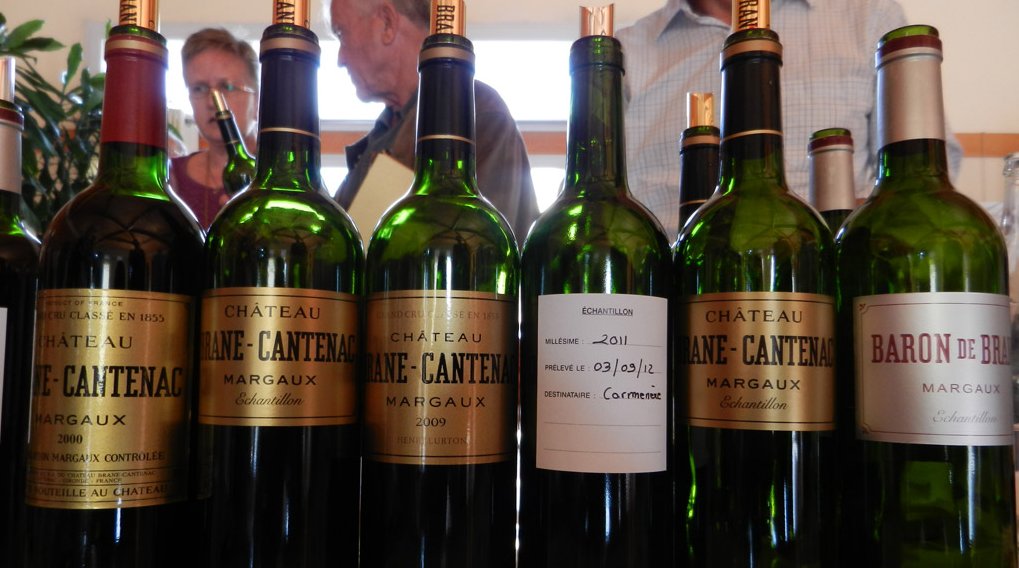
- We will learn how to read the label on the wine bottles.
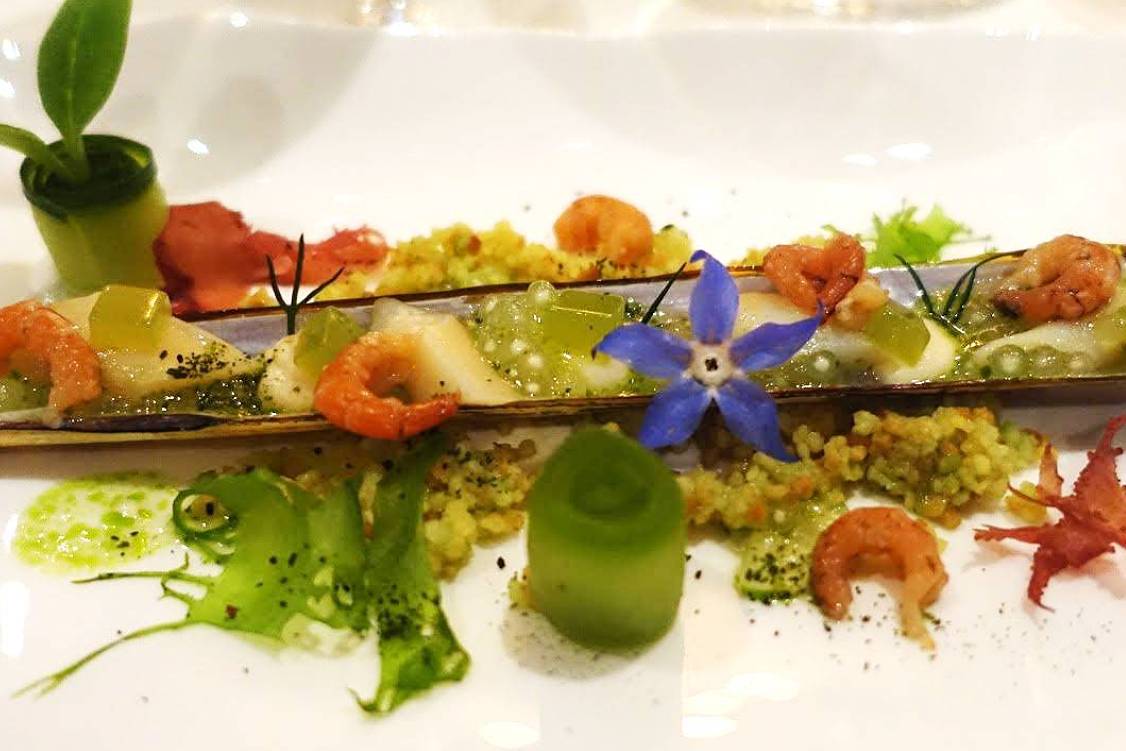
- We will have excellent, typical South-Tyrolean and Italian meals at great restaurant, historical places, and at the wineries with the owner/winemaker.
- We will experience ancient history and culture at every turn of our trip.
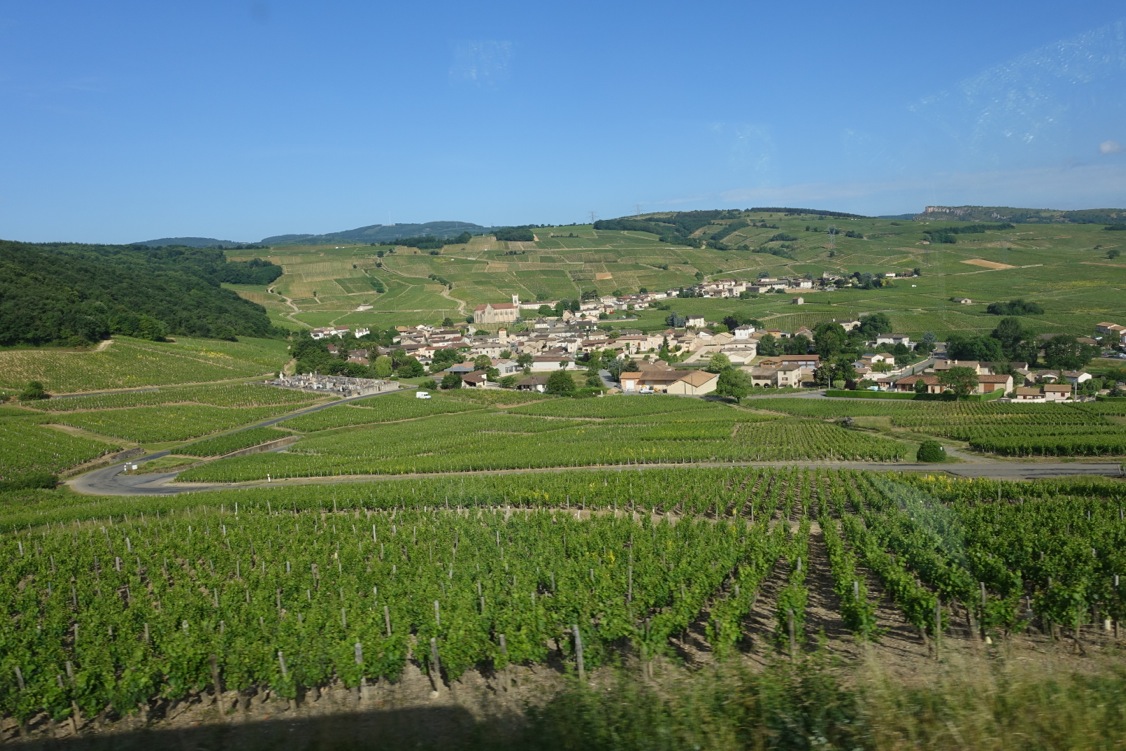
- We will marvel at the incredible gorgeous countryside and mountain scenery.
- We will get the inside track and will feel what the unique South-Tyrol "Gemütlichkeit" is all about.